Atanu Chakraborty’s Departure from HDFC Bank: Why the RBI Stepped In and What It Means for Indian Banking
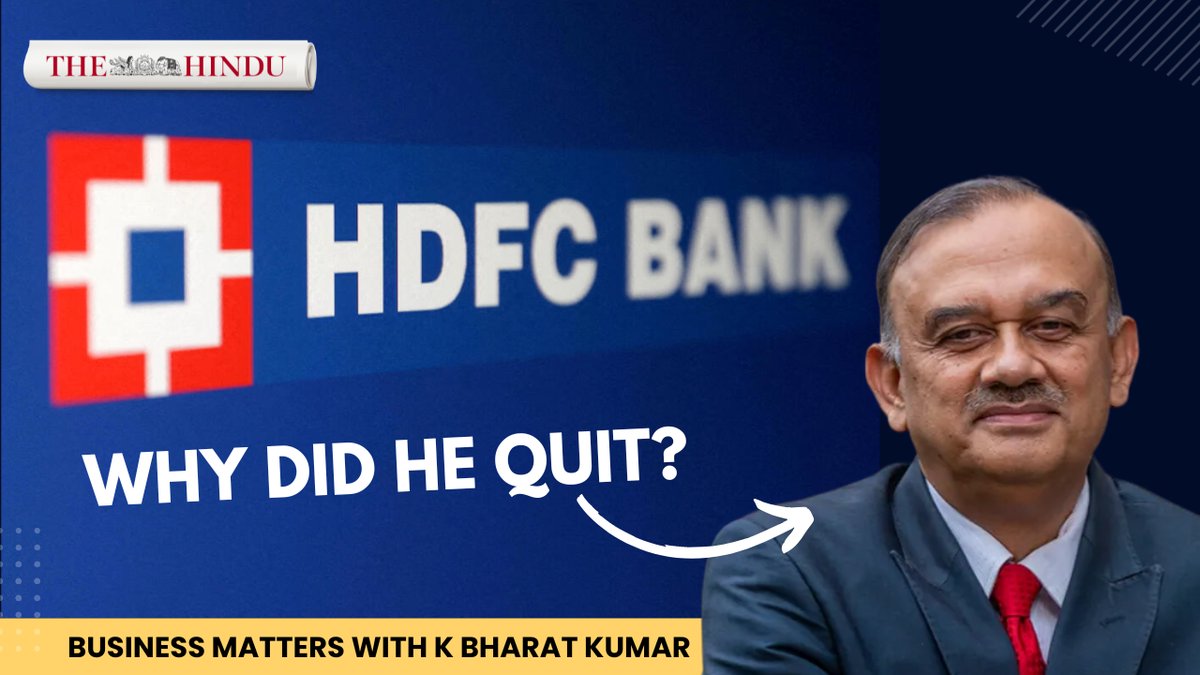
You know that feeling when you’re at a big family gathering and one of the key figures suddenly gets up and walks out without a word? That’s the mood that’s been hanging over Dalal Street all week. The abrupt exit of Atanu Chakraborty as non-executive chairman of HDFC Bank isn’t just another corporate reshuffle. It’s the kind of move that makes even seasoned market veterans put down their tea and go, “Ah, what’s the real story here?”
The Sudden Exit That Shook the Street
One moment, everything is business as usual at India’s largest private lender. The next, a shock resignation sends the stock sliding and the rumour mill into overdrive. Atanu Chakraborty, a former bureaucrat known for his spotless reputation, decided to step down from the top role, citing a vague “pre-occupation.” Now, in the corporate world, “pre-occupation” is usually code for “I’ve got a better offer” or “things are getting too hot to handle.” But in this case, it’s the latter that’s making everyone nervous. The whispers are about a governance issue—allegations that surfaced about certain operational decisions that didn’t quite fit with the usual HDFC playbook.
RBI’s Rare Public Intervention
Here’s where it gets interesting. Usually, the Reserve Bank of India plays its cards close to its chest. They don’t comment on individual bank boardroom dramas. But this time, they did something unprecedented. They publicly defended HDFC Bank. In a move that was almost like a parent stepping in to vouch for their child, the RBI essentially said, “Look, the bank is sound, the management is fine, and we’re in the loop.” That was a clear message to the market: don’t panic. But why did they need to say it so loudly? Because the governance concerns raised in the wake of Chakraborty’s departure were serious enough to potentially trigger a crisis of confidence. The central bank is signalling that they aren’t just watching from the sidelines; they are very much in the driver’s seat, ensuring stability.
The Broader Picture: Jobs, Tariffs, and a Shifting World
While we’re zooming in on the HDFC saga, the macro canvas is also repainting itself rapidly. Take the global job market, for instance. Word is that a major European banking giant is considering cutting 20,000 jobs—a stark reminder that even the biggest names are tightening their belts. Meanwhile, there’s a fascinating reverse migration of sorts happening. Insider chatter suggests that Russia has quietly become the new Gulf for Indian workers. Yes, you read that right. While we were all focused on geopolitical tensions, skilled and semi-skilled Indian professionals have been finding new opportunities in Moscow and beyond, filling gaps left by the sanctions-driven exodus of Western talent.
Back home, the regulatory and political landscape is just as turbulent. The ongoing NIA terror network probe is uncovering deeper links that are keeping security analysts busy, and the constant chatter about a new US tariff plan is making exporters jittery. It’s a global game of chess, and Indian institutions are trying to hold the centre.
Why This HDFC Moment Matters
So, why should a regular investor—or even someone just keeping an eye on the economy—care about why the RBI publicly defended HDFC Bank? Because it tells us a few non-negotiable things:
- Institutional Integrity: The RBI is signalling that it will not allow governance lapses in systemically important banks. Their intervention is a guarantee of stability.
- The Succession Question: The bank will now need to find a new chairperson who can command the same respect and fill the governance vacuum. The hunt is on, and it’s crucial.
- Investor Sentiment: In a week where we are hearing about the HDFC chairman quitting, the market’s reaction tells you that governance still carries a premium. A clean ship is a profitable ship.
Atanu Chakraborty’s exit has lifted the veil on the internal pressures inside India’s top-tier financial institutions. It reminds us that in the world of high finance, even the most stable-looking structures can have fault lines. But it also highlights the maturity of our regulatory framework. The RBI didn’t let this simmer; they stepped in, put a lid on it, and told the public the food is still hot and safe to eat. For now, HDFC Bank’s fundamentals remain strong, but the next few weeks—as the board conducts its internal probe and searches for a new leader—will define the bank’s next decade. As for the rest of us, we’re just watching closely, tea in hand, waiting to see how this script unfolds.