Strait of Hormuz News: Iran Opens Corridor for India, Trump’s 48-Hour Ultimatum Rattles Global Oil Routes
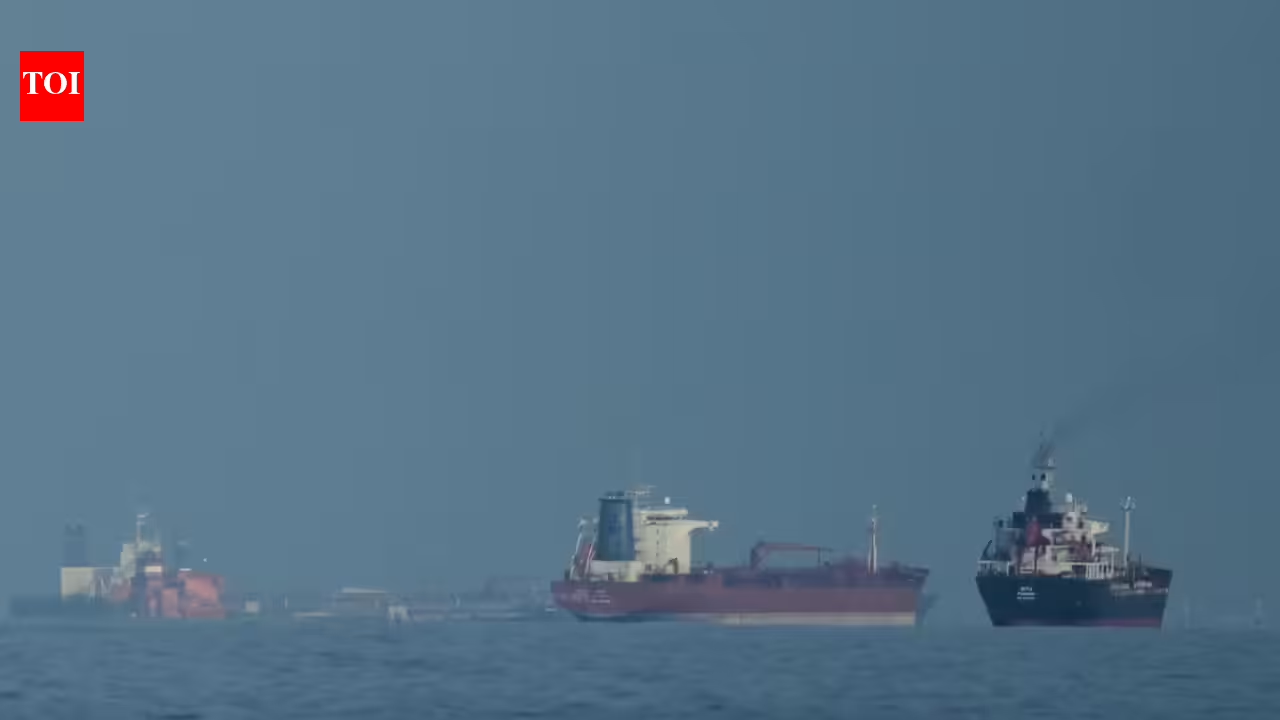
If you've been following the global news ticker this week, you'll know the Strait of Hormuz is far more than just a line on a map—it's the world's most volatile shipping lane. And right now, it's reaching boiling point. Between Tehran's selective restrictions and Washington's heavy-handed ultimatums, global oil prices are becoming dangerously unpredictable. For India, caught right in the middle of this geopolitical storm, the latest development brings a rare piece of good news: diplomatic sources confirm that New Delhi is on the shortlist of nations allowed to continue navigating these contested waters.
The 'Allied Nations' Clause: Why India Made the Cut
Just as everyone assumed the strait was effectively closed for business, Tehran's foreign ministry made it abundantly clear yesterday: the closure is targeted, not total. In a press briefing that cut through the noise, it was stated that the Strait of Hormuz is closed specifically to the state's "enemies". For allies—and specifically named nations like India, Pakistan, and three others—the corridor remains open. This isn't just diplomatic courtesy; it's hard-nosed pragmatism. Tehran is fully aware that India is a crucial economic partner and a traditional buyer of Iranian crude, even with the complex web of sanctions that has complicated those ties over the years. For India's tanker fleet currently navigating these waters, this exemption spells the difference between a smooth passage and a logistical nightmare.
The 48-Hour Clock: The 'Or Else' Ultimatum
While Tehran plays the gatekeeper, Washington is pushing back with a sledgehammer. The Strait of Hormuz news cycle took a sharp turn earlier this week when a stark 48-hour ultimatum landed in Tehran from the White House. The demand? Fully open the strait, or else. While the specifics of "or else" are being debated across the Pentagon and the State Department, the implication is clear: any prolonged chokehold on the strait will be met with overwhelming force to reopen it, whether Tehran likes it or not. This "open it or we open it" rhetoric is setting the stage for what could be the most dangerous flashpoint the region has seen in years.
What's Actually Happening on the Water?
Let's cut through the diplomatic double-speak and look at what's unfolding on the water. Patrols have been tightened, and there's talk from Tehran about drafting new legislation to charge a "security toll" for ships passing through the strait. It's a move being framed as payment for protection, but in practice, it's a toll booth placed on the world's most critical energy artery. For Indian shippers, the situation is tense but manageable—thanks to that exemption. But for tankers flying the flags of nations not on Tehran's list, or for vessels carrying cargo to nations deemed hostile, the risk of interception or delay is now at its highest point in a decade.
How Dependent Is China on the Strait of Hormuz? (And What About India)
You'll often hear the question: how dependent is China on the Strait of Hormuz? The answer is staggering. Beijing draws roughly 70% of its crude oil through this narrow chokepoint. But here's where India's position gets tricky. While China's dependency is absolute, India's dependency is equally massive but historically more diversified. Even so, roughly two-thirds of our crude imports still pass through this strait. If the strait were to snap shut—even for a week—you'd see the rupee take a hit before the pumps even run dry. The Indian government is walking a tightrope here: leveraging old diplomatic capital with Tehran while keeping Washington assured that we aren't undermining their maximum pressure campaign.
What makes this moment unique is the convergence of these forces. We're not just dealing with a static blockade; we're dealing with:
- A selective exemption: Iran letting specific "allied nations" like India use the strait.
- A looming American ultimatum: The hardline stance demanding full reopening within 48 hours.
- New economic warfare tools: Iran's proposed "transit tax" on vessels, which would fundamentally change the economics of shipping in the Gulf.
What This Means for Your Next Fuel Bill
For the average Indian, this isn't abstract geopolitics. It's simple maths. Every time a tanker gets held up in the Gulf of Oman or a naval skirmish happens near Bandar Abbas, the insurance premiums for shipping go up. Those costs trickle down. If the Strait of Hormuz news continues to trend towards confrontation rather than negotiation, expect crude oil prices to spike by at least $5 to $10 per barrel within weeks. The Finance Ministry is already keeping a close eye on the futures market, and you can bet the Petroleum Ministry is running contingency plans for alternative supply routes via the Red Sea or looking to boost imports from Russia even further to offset any potential loss of Gulf supply.
The bottom line is this: The Strait of Hormuz remains the world's most dangerous crossroads. For now, India has found a way to stay in the lane—literally—by maintaining its ties with Tehran. But with that ultimatum clock ticking down and Iran doubling down on its "friends only" policy, this is a situation that can flip overnight. If you're tracking the markets or just hoping for stable fuel prices in the coming months, keep your eyes on this narrow stretch of water. Because when it gets blocked, the entire world feels it.