Ozempic, the Miracle and Its Hangover: Everything You Need to Know About Weight-Loss Drugs
It has become one of the most talked-about substances of our time. Ozempic, originally developed to treat type 2 diabetes, has exploded in popularity as an effective weight-loss aid. Everywhere, we hear stories of dramatic transformations, but also of unexpected side effects. As someone who has followed the pharmaceutical industry for over a decade, I can say this is the most disruptive trend since the arrival of statins. It’s not just about losing weight; it’s about questioning our entire view of hunger, metabolism, and what it means to “live healthily.”
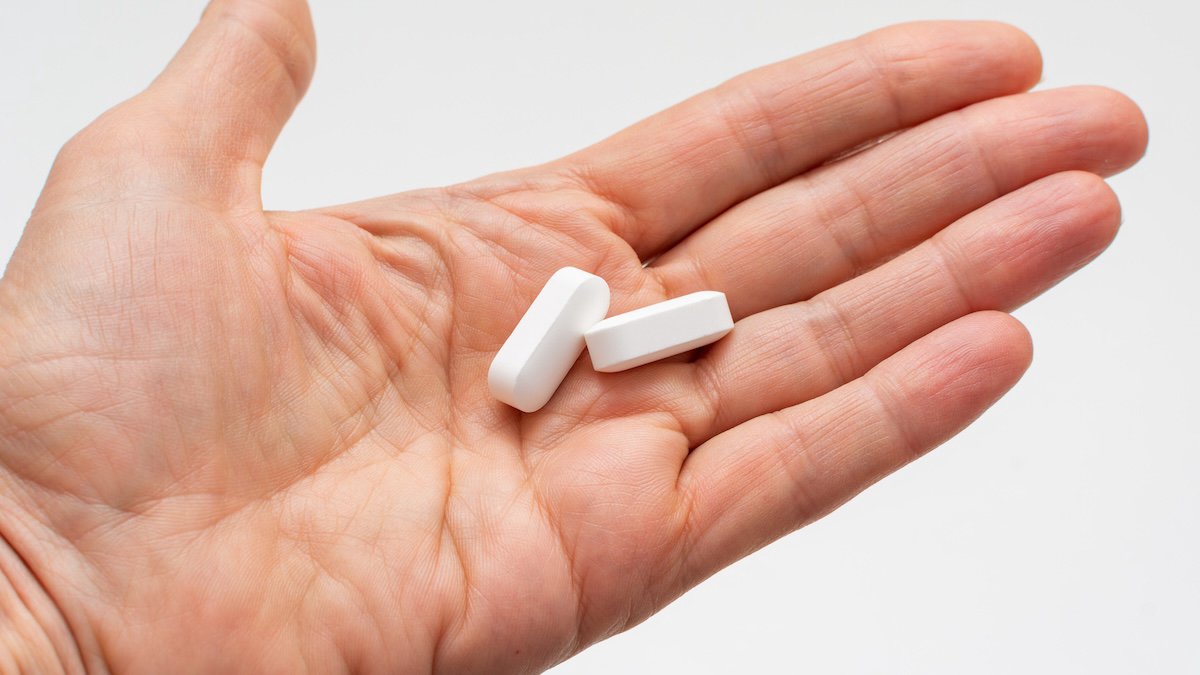
From Injection to Tablet: The Next Revolution is Here
Just when we thought we had a handle on the semaglutide boom, a shift is underway that could make the whole debate even bigger. Several major players are now preparing to launch oral alternatives. Imagine Ozempic in tablet form, but with a twist. These new drugs, currently known by working names like orforglipron, are not peptide-based like today’s injections. This means they could potentially be cheaper to manufacture and easier to distribute. It’s no longer a question of if they’ll arrive, but when. For those currently struggling to get their hands on Ozempic, this could be the solution that makes treatment more accessible to a wider audience. But the question is: will it really be better?
Beyond the Waistline: The Effects That Change Everything
In the debate, terms often emerge that point to a paradox. On one hand, we see extraordinary results. People who have struggled with their weight their entire lives finally get effective biological help. On the other hand, we are only just beginning to understand the long-term risks. I often think about how diabetes management taught us to understand the body’s signals. These new drugs do something similar, but for the body’s entire reward system. They manipulate the GLP-1 hormone, which controls both blood sugar and our feeling of fullness. But what happens when we stop? For many, the appetite returns with a vengeance, and then we’re left with a new type of dependency issue.
The Hunger Code and the Modern Food Landscape
To understand why these drugs are so effective, you have to understand what we eat today. A central argument is that our bodies’ fat thermostat is completely out of whack. We are fed ultra-processed foods designed to bypass our natural satiety signals. In this context, a drug like Ozempic acts as a kind of digital reset for the system. It is a technological solution to a problem that technology itself created.
For those who really want to understand the mechanisms, I recommend delving deeper into the subject. Here are a few perspectives often forgotten in the hype:
- The side effects are no joke: Stomach issues, nausea, and in rare cases, more serious complications like pancreatitis are real risks. This is not a quick fix but a powerful medication.
- Access is unequal: Right now, there’s a tug-of-war between diabetics who need the drug for blood sugar control and people using it off-label for weight loss. When the oral versions arrive, this issue will become even more pressing.
- We need to talk about muscle: A significant portion of weight loss can come from muscle mass if the treatment isn’t combined with strength training and adequate protein intake. Becoming thin but frail is not the same as being healthy.
What Do Insiders Say About the Future?
The future isn’t just a new version of Ozempic. What’s happening now in the labs is an explosion of innovation. The oral alternatives mentioned earlier are changing the game. Imagine a market where this type of appetite regulation becomes as common as blood pressure medication. That’s where we’re headed. The question is whether we, as a society, are ready for the consequences. Will we see a population-level reduction in obesity-related diseases, or are we creating a new underclass that can’t afford these “lifestyle medicines”?
As is so often the case in medicine, it’s not about finding a single magic bullet. The impact of this type of drug extends far beyond the waistline. It affects our psychology, our economy, and our view of what it means to be healthy. For anyone considering starting treatment, my advice is simple: be curious, be informed, and above all, talk to a doctor who sees the whole person, not just the number on the scale. It is only when we combine scientific advances with a deep understanding of our own bodies that we can truly begin to talk about a sustainable health revolution.