NJ Transit's Portal Bridge Meltdown: How to Survive the Rail Chaos of 2026
If you've found yourself stranded on a platform in Secaucus or staring at a "Delayed" sign in Newark Penn Station this week, you're not imagining it—the system is at breaking point. For seasoned commuters who travel the rails daily from Maplewood, or those changing trains at Secaucus Junction, the spring of 2026 is shaping up to be a logistical nightmare. We are witnessing a perfect storm unfolding before our eyes: the final, punishing stages of the Portal North Bridge project clashing head-on with Amtrak's emergency repair schedule.
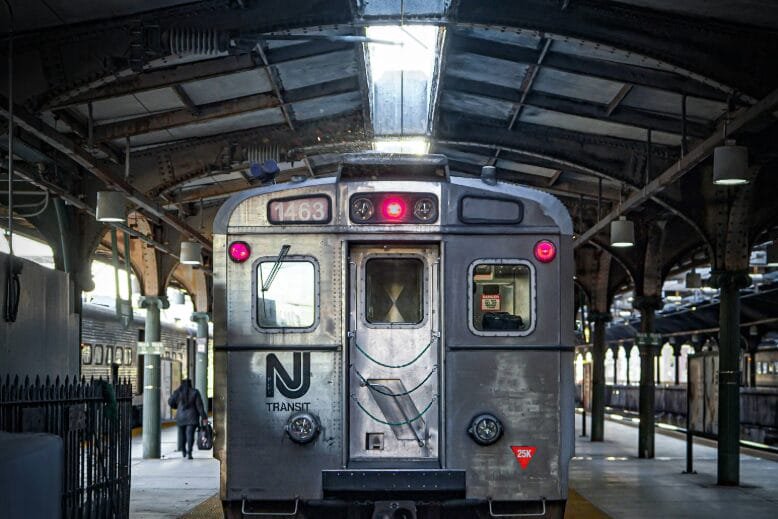
The Portal Bridge Pinch: Why This Week is Different
Let's cut through the jargon. The NJ Transit Rail Operations team has been dreading this moment for years. The new Portal North Bridge is a huge win for the future—finally getting rid of those archaic swing-span headaches—but the "switchover" process to bring the new span into use is where the track geometry goes haywire. We're not just talking about weekend work anymore. This is precision surgery on the busiest rail artery in the Western Hemisphere, and the patient is bleeding all over the timetable.
Crews are physically lifting and connecting the new infrastructure. This means bottlenecks that ripple from Trenton all the way up to Hudson Yards. When Amtrak dropped their own bombshell last week, announcing urgent, unplanned repairs to overhead power lines and track beds in the same corridor, it turned a difficult transition into complete gridlock. They have to get in and do the work now because once the Portal Bridge is fully operational, the traffic load is going to increase exponentially.
Ground Zero: The Passenger's Reality
For the average passenger, the technical jargon from NJ Transit doesn't matter. What matters is the 45-minute delay getting home to see the kids, or missing the connection in Hoboken entirely. I've been watching the crowd dynamics at key interchanges, and the stress is palpable. If you're coming from the Morris & Essex lines—say, boarding at NJ Transit Maplewood—you're used to a relatively smooth ride. Right now? You get to Broad Street or Hoboken only to find your connecting train held indefinitely or cancelled because the crews up at Portal can't clear the tracks.
The ripple effect is brutal. A train that left Maplewood at 7:15 AM might be crawling because the entire NJ Transit Rail system is stacking trains in single file through the construction zone. It's a game of dominoes, and one delayed train in North Bergen wrecks the rush hour for 10,000 people.
The Unofficial Saviour: Tech to the Rescue
When the official communication channels lag, passengers get creative. I had a fascinating chat with a guy from Montclair last night—the kind of frustrated coder who decided to fight back against the chaos. He's the mind behind one of those hyper-local commuter apps that's suddenly indispensable.
He pointed out that the NJ TRANSIT Mobile App is great for buying tickets, but it's useless when you need to know if the 5:42 PM to Bay Street is actually moving. His tool scrapes the real-time status feeds and compares them against historical track data to predict delays before they're officially announced. It's a classic case of necessity being the mother of invention. While the official systems are playing catch-up, these community-sourced alerts and third-party apps are becoming the only reliable source of truth for whether to leg it for the train or go grab another coffee.
- Real-time Data Scraping: Apps now cross-reference chatter from Amtrak workers and track circuit data.
- Crowdsourced Seating: Passengers on the North Jersey Coast Line are sharing which carriages are least crowded based on where the bottlenecks form.
- Predictive Delays: Using data from the past week's Portal Bridge work to guess today's headache.
The Investment Angle: Where's the Money Going?
From a business perspective, this is fascinating. We are watching a massive public infrastructure project—funded by billions in federal and state cash—reach its most painful stage. The companies holding the steel contracts for the Portal North Bridge stand to make a killing, but the real high-value play isn't in the girders. It's in the logistics and software that mitigate the points of failure.
Sharp-eyed investors are looking at the firms providing temporary bus bridges, the logistics companies handling crew transport, and especially the data analytics platforms that can help transit agencies predict these meltdowns before they happen. The demand for a better NJ Transit experience is creating a market for solutions. If a startup can sell a predictive maintenance tool to the Rail Operations division that prevents just one of these Amtrak-style emergency repairs, they've got a contract for life.
For the commuter stuck on the platform, it's cold comfort. But for the market, this chaos is a loud and clear signal: the old way of managing rail is dead. We need smarter tech, more resilient hardware, and a communication system that doesn't leave 50,000 people guessing. The next few weeks as they finalise this bridge switchover will be brutal. Keep that app handy, check the status before you leave the house, and for heaven's sake, if you're getting off at Maplewood, make sure the train is actually stopping there before you nod off.