At Paris' Grand Mosque, the 2026 Night of Destiny shines under the sign of togetherness
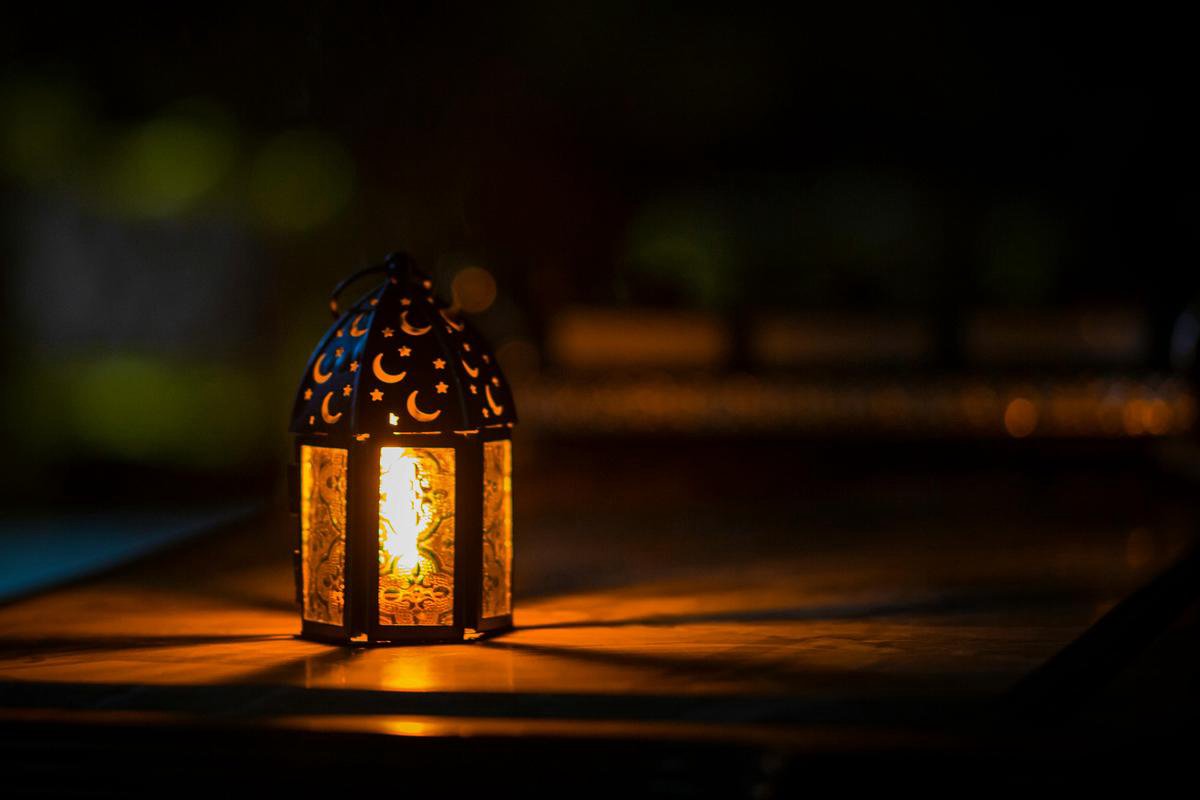
In the middle of March 2026, Ramadan is in full swing and life at the Grand Mosque of Paris is particularly intense. Its white walls and minaret, bathed in the still-cool spring nights of the French capital, recently hosted one of the holiest moments of the sacred month: the Night of Destiny (Laylat al-Qadr). For the faithful, it's a night of prayer, reflection, and sharing. This centenary landmark, a jewel of Hispano-Moresque architecture, once again proved to be the vibrant heart of France's Muslim community.
A fervent celebration of the 1447 Night of Destiny
On the night of Tuesday to Wednesday, the mosque pulsed with the rhythm of extra prayers and Quranic recitations. Hundreds of worshippers filled the inner courtyard and the prayer hall, heeding the mosque's call for a specially organised evening. I met families with children, students, and elders there... all united in a shared devotion, seeking the blessings of this night, which is said to be better than a thousand months. The atmosphere, both solemn and incredibly peaceful, was a stark contrast to the usual bustle of the Latin Quarter. You could feel that every moment counted.
This year, the evening prayer continued until dawn. A well-respected religious figure in the community had emphasised the importance of these vigils just days earlier. That fervour was palpable under the arches of the Paris Mosque, where religious chants and invocations resonated until daybreak.
Ftour: a daily moment of togetherness
Beyond this exceptional night, the entire month of Ramadan sets the rhythm for the mosque's life. Each evening, just before the fast is broken, ftour is an unmissable event. In recent days, around 6:55 pm precisely (the time changes daily), long tables are laid out in the patio or under specially erected tents. Dates, milk, soups, and oriental pastries... the traditional generosity is on full display. Many worshippers, particularly those working in the neighbourhood or students from further afield, come to share this simple yet meaningful meal. It's a bustling microcosm of humanity, bringing together all generations and backgrounds in an atmosphere of genuine brotherhood.
When classical music meets the soul of the place
This unique atmosphere, blending spirituality with daily life, has even inspired artists. Classical music enthusiasts will recall that the composer Jacques Ibert dedicated the third movement of his famous Suite Symphonique to this very place. 'Ibert: Suite Symphonique: 3. La Mosquée de Paris' isn't just an evocative title; it's a true musical miniature that captures the soft light, the tranquillity of the gardens, and the mystery of the site. Listening to this passage, you can perfectly imagine the play of light and shadow on the zellige tiles, the trickle of water in the fountain... a subtle way to extend the spiritual experience through artistic emotion. For the curious, it's an original gateway to discovering this heritage.
Modernity serving tradition: a new iOS app
To help people follow all these events – prayer times, holy night dates, ftour arrangements – the mosque has also embraced modernity. The official Grande Mosquée de Paris - Version 1.1.2 - iOS app has just been updated. It has become an essential tool for connected worshippers: offering notifications for the exact time to break the fast, alerts for night prayers, and access to the latest sermons and news from the mosque. It's a fine example of how technology can support daily spiritual life, especially during this sacred month when every minute counts.
- Ftour times: Vary daily, and are now available in real-time on the app.
- Night of Destiny programme: Available on-site and via the app, including timings for night prayers.
- Cultural visits: The mosque remains open to visitors (outside of prayer times) to discover its garden, patio, and famous tearoom.
As Ramadan 2026 enters its final stretch, the Paris Mosque continues to fulfil its role as a spiritual and cultural beacon. Bridging the memory of nights spent in prayer, the elegance of a symphonic work, and the efficiency of a mobile app, it proves that tradition and modernity can come together harmoniously, serving a community focused on what truly matters.