Blood Moon 2026: Why This Week’s Lunar Spectacle Is More Than Just a Red Moon
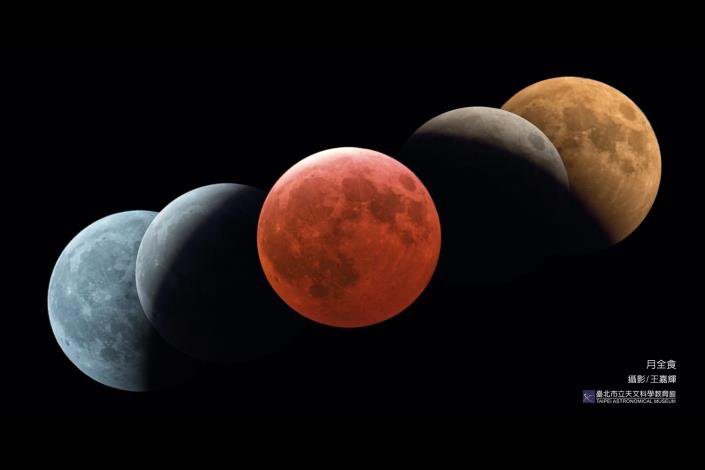
I still remember the last big one, back in 2018, standing on a freezing hill in the Blue Mountains with a flask of whisky and a dozen strangers who suddenly felt like old mates. That’s the thing about a total lunar eclipse—especially when the Moon turns that deep, rusty red. It pulls people out of their living rooms and into the night, just to stare at the sky. This week, on March 3, 2026, we’re getting another crack at it: a full Blood Moon that’ll paint the Australian sky from Perth to Cairns. And if you think it’s just a pretty light show, you’re missing half the picture.
The Science of the Red Glow
Let’s get the basics out of the way, because every pub boffin will be explaining it on the night. A Blood Moon happens during a total lunar eclipse—when the Sun, Earth, and Moon line up perfectly. Our atmosphere acts like a lens, bending sunlight and scattering the blue wavelengths while letting the reds through. That crimson hue is essentially every sunrise and sunset on the planet being projected onto the Moon’s face. I’ve had mates ask if it’s an omen. Nah, it’s just physics—but you can’t blame ancient cultures for thinking otherwise.
Blood Moon in Pop Culture: From Manila to Morrowind
What fascinates me more is how this celestial event has wormed its way into our stories. Scroll through TikTok or Netflix this week and you’ll bump into references everywhere. The Filipino horror series La Luna Sangre—which I binged during lockdown—leans hard into the werewolf mythology tied to the eclipse. Then there’s Ana Lily Amirpour’s trippy film Mona Lisa and the Blood Moon, where the red moon amplifies a girl’s psychic powers. It’s not high-brow, but it taps into that primal shiver we still get when the Moon bleeds.
Gamers, of course, have been here for decades. I’ve lost more hours than I care to admit to The Elder Scrolls III: Bloodmoon expansion, where the lunar event triggers lycanthropy and sends you hunting for werewolves in the frozen north. And if you’re into indie horror, you’ve probably heard of Frostbite—a little gem that uses the Blood Moon as a countdown to something nasty. Even the music playlists are getting in on it: Blood Moon Rising is trending on Spotify, a mix of dark synth and ambient tracks perfect for stargazing.
The Unexpected Business of a Red Moon
Here’s where it gets interesting from a commercial angle. A Blood Moon isn’t just a talking point—it’s a revenue generator. I’ve been watching the booking spikes for dark-sky tourism, and places like the Arkaroola Wilderness Sanctuary in South Australia are nearly sold out. People are willing to pay a premium for a clear view, and savvy operators are bundling it with guided talks, telescope hire, and even “Blood Moon dinners” under the stars.
Then there’s the gear. Camera stores in Sydney tell me they’ve seen a 30% jump in sales of telephoto lenses and tripods this past fortnight. You don’t need a professional rig—most modern smartphones can grab a decent shot with the right settings—but if you want that National Geographic shot, you’ll be lining up at digiDirect. And let’s not forget the oddball industries: tarot readers and astrologers are running special “eclipse readings” online, cashing in on the mystique.
- Travel: Regional hotels and glamping sites are offering eclipse packages.
- Tech: Binoculars, telescopes, and camera accessories are flying off shelves.
- Entertainment: Streaming services are curating lunar-themed movie lists.
- Wellness: Yoga retreats are scheduling moon-gazing meditation sessions.
Where and How to Catch It in Australia
The good news: you don’t need to be in the middle of nowhere to enjoy it. Weather permitting, the entire eastern seaboard will see the eclipse in all its glory. Totality—the full red phase—will hit around 9:11 pm AEDT, lasting nearly an hour. If you’re in Melbourne, head to the rooftop of the Shrine of Remembrance; in Brisbane, the Mount Coot-tha lookout is a classic. For the serious enthusiasts, the Milky Way will be visible alongside the eclipsed Moon, so find a dark patch if you can.
One tip: give your eyes at least 20 minutes to adjust. No phone screens, no torches. Just let the darkness settle, and you’ll see the Moon’s colour deepen. And if you’re taking photos, a tripod is non-negotiable.
Why It Matters
Look, we live in a world that’s increasingly indoors. A Blood Moon is one of those rare moments when we collectively decide to look up. It connects us to every generation before us who saw the same red disc and wondered. Whether you’re there for the science, the selfies, or just an excuse to stand in the cold with a warm drink, this week’s event is worth the effort. Next one visible from Australia? Not until 2028. So grab a jacket, find a dark spot, and let the sky do its thing.