Trump's Cuba Gambit: What a Tighter Oil Noose Means for the Island
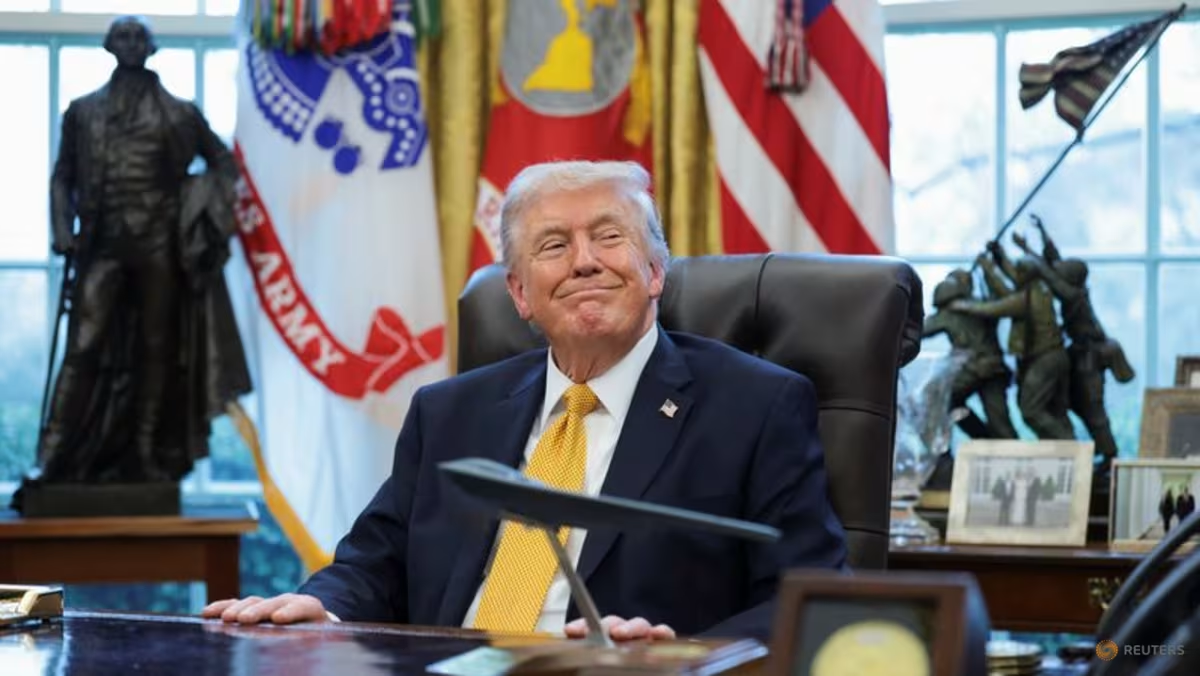
Just when you thought the geopolitical temperature couldn't get any higher, Donald Trump has thrown another match onto the fire. His latest vow to "take" Cuba—made just yesterday—has sent shockwaves through the Caribbean, putting the island nation back under the harshest spotlight. For those of us who've watched the ebb and flow of US-Cuba relations over the years, this isn't just political theatre; it's a gut punch that will be felt from the Malecón to the most remote sugar plantation.
The Noose of the Embargo: More Than Just Politics
Let's cut through the noise. Trump's rhetoric isn't just about flags and anthems. It's about oil. The island is reeling from a tightened embargo that specifically targets its energy sector. We're talking about the lifeblood of the nation—the very barrel that keeps the lights on and the old American cars chugging along. With new restrictions on tankers and financing, the Cuban government is scrambling. You can see it in the longer queues at the servicentros, the hushed conversations among neighbours about when the next shipment might arrive. It’s a pressure cooker, and the valve is being screwed tight.
Life in the Shade of the Ficus microcarpa
Walk through any old neighbourhood in Havana, and you'll be walking under the sprawling canopy of the Ficus microcarpa. These ancient trees, with their gnarled roots and dense leaves, have witnessed it all—colonial days, revolution, the "Special Period," and now this. They stand as silent sentinels over a daily life that is both incredibly vibrant and increasingly strained. Under their shade, you'll find men in their well-worn guayabera shirts, engaged in endless games of dominoes, their conversations now inevitably turning to the price of cooking oil and the news from the north. The guayabera, once a symbol of elegance, now often serves as the only decent formal wear for those who can't afford anything new.
The Strength of the Cuban Women
And then there are the Cuban women. In times like these, they are the backbone of the household, the ones who magically stretch a pound of rice to feed a family of five. You see them in the markets, bargaining fiercely for a few extra vegetables; in the streets, expertly navigating the potholes on their bicycles; in the kitchens, turning scarce ingredients into a feast. Their resilience is the real currency of the island. They are the ones who will bear the brunt of this new oil shock, finding ways to cook without gas, to keep the family together when hope seems scarce. Their quiet strength is a story that never makes the headlines.
What's at Stake: A Snapshot
So, what does this escalating tension actually look like on the ground? It's a mix of the everyday and the extraordinary:
- Fuel Fears: The immediate worry is barrel shortages, meaning less transportation, fewer fishing trips for the local catch, and potential blackouts. It's a domino effect that touches every single sector.
- Cultural Icons Under Pressure: The classic 1950s cars, a symbol of Cuba, become harder to run. The guayabera shirt, a staple of formal occasions, is now a luxury item for many, as textile imports dry up.
- The Green Witness: The old Ficus microcarpa trees will continue to shed their leaves and bloom, indifferent to the human drama unfolding below, offering a sliver of permanence in a world of political upheaval.
Trump's latest move isn't just a diplomatic spat. It's a direct hit on the Cuban people's ability to live their lives. As the island braces for what comes next, one thing is certain: the spirit of the Cuban women and the quiet dignity of the men in their faded guayabera shirts will be tested like never before. We'll be watching, not just the political fallout, but the human one.