Split Enz Reunion: More Than Nostalgia, It's a Masterclass in Legacy and Commerce
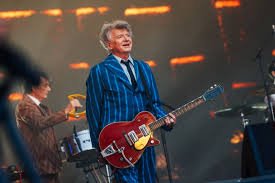
I was standing in Hagley Park, Christchurch, last weekend when it hit me: this wasn't just a gig. This was a tectonic shift. Split Enz, a band I'd written off as a beautiful chapter in our music history books, were tearing through 'I Got You' with a ferocity that made you forget they'd been apart for four decades. The crowd, a wild mix of grey-haired devotees and their kids who'd grown up on the History Never Repeats – The Best of Split Enz compilations, wasn't just watching a show; they were witnessing a piece of living heritage being reignited. And then the news broke mid-set: two more arena shows. The market had just delivered its verdict, and it was thunderous.
The Chemistry of Catastrophe and Commerce
Let's be brutally honest about what we saw at Electric Avenue. This wasn't a polite nostalgia trip. From the moment Tim Finn locked eyes with Neil, it was clear the alchemy was still volatile. They tore into material from True Colours – an album that, in 1980, didn't just break the band internationally, it rewired the circuitry of New Zealand pop – and it sounded urgent. The setlist was a masterclass in brand management: you give the diehards the deep cuts, but you crucify them with the anthems. 'Dirty Creature', 'One Step Ahead', and of course, the song that refuses to age, 'History Never Repeats'. It's the perfect title for a reunion, isn't it? Because history isn't repeating; it's being re-priced.
The Business of Belonging
This is where the analyst in me starts scribbling in the margins. Why now? Why does a band with nothing left to prove artistically step back into the arena? Look at the demographics. The core Split Enz fanbase – Gen X and older millennials – are now at the peak of their disposable income. They're not buying albums; they're buying experiences. They're buying the chance to stand in a room and feel 17 again. And the market has recognized this. The speed with which the promoters pivoted from a single festival appearance to standalone arena shows in Auckland and Christchurch tells you everything about the advanced ticket sales data. This isn't a gamble; it's a calculated response to pent-up demand.
But the commercial ripple goes far beyond ticket revenue. Walk into any record store in the country this week and you'll see the True Colours vinyl reissues flying off the shelves. Streaming numbers for the back catalogue will have spiked. And this is where the smarter operators are looking. There's a fascinating, if niche, product floating around fan communities – a creative writing journal titled, rather brilliantly, 'I Can't Hear You, I'm Listening to Brett Young'. It sounds like a joke, but it speaks to a deeper truth: fandom today is participatory. People don't just consume; they create, they journal, they build their own mythology around the music. For a band like Split Enz, with their theatrical art-school roots, this is fertile ground. The commercial potential isn't just in the gig; it's in the entire ecosystem of creativity it inspires – from licensed journals to fan art, from curated playlists to documentary rights.
A Blueprint for the Future
What the Split Enz reunion proves, unequivocally, is that legacy acts are not museum pieces. They are blue-chip assets. In a fragmented music market where breaking a new artist is a lottery, a guaranteed sell-out like this is gold to promoters, venues, and sponsors. You can already picture the premium hospitality packages, the branded merchandise collaborations. The key is authenticity, and that's what the Christchurch show delivered in spades. You can't fake that energy. But you can certainly bottle it and sell it.
Will there be new music? I wouldn't bet against it. When a creative engine this powerful restarts, it's hard to turn off. But even if these shows remain a celebration of the past, the commercial impact is very much of the present. We're watching a masterclass in how to honor a legacy while building a new, highly profitable chapter. For the rest of the industry, from the struggling pub owner to the festival booker, the lesson is clear: never underestimate the value of a band that made history.
The Numbers That Matter
For the spreadsheet crowd, here's what I'm watching:
- Venue upsize: Moving from a festival slot to dedicated arena shows (Spark Arena in Auckland, Wolfbrook Arena in Christchurch) indicates a sales velocity that justifies 10,000+ capacity per night.
- Demographic spread: The multi-generational audience at Electric Avenue suggests a longer-tail commercial life, opening up family-friendly ticketing packages and cross-generational marketing.
- Catalogue resurgence: Expect Split Enz streaming numbers to double, at least, over the next quarter, driving mechanical royalties and potentially triggering new compilation deals.
Split Enz have done what no reunion tour announcement could do: they've made the past feel like the future. And in this business, that's the only place where real money is made.