Kurdistan in the Spotlight: How the Autonomous Region of Kurdistan is Being Hit by the New Oil Crisis
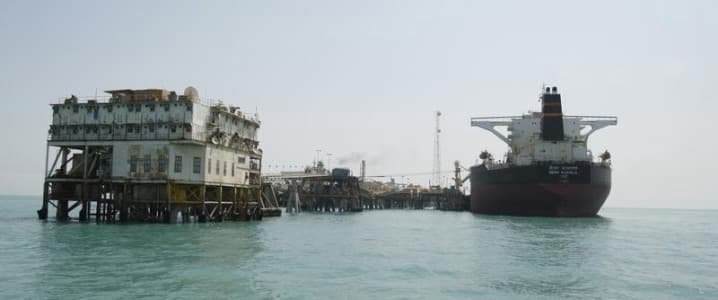
You don't need to be a geopolitics expert to feel the heightened tension in the Middle East these days. Recent developments in the Strait of Hormuz have markets on edge, and right in the middle of this nervous web of pipelines and political strain lies a region often overshadowed by the big headlines: Kurdistan. More precisely, the Autonomous Region of Kurdistan in northern Iraq. While the world watches anxiously for a potential closure of the strait, the pressing question on the ground here is: What happens to our oil? And just how stable will the Kurdistan flag remain in this storm?
An Oil Hub Under Pressure
In recent years, the Autonomous Region of Kurdistan has emerged as a key player on the global oil market. The pipeline through Turkey is the economic lifeline for the region around Erbil. But with the current tensions near Hormuz – I've rarely seen sentiment in the oil markets shift this fast. What's clear is this: if there's a serious blockade, southern Iraq will feel it first. But as they say here, Basra isn't Kurdistan. Unrest in Baghdad quickly ripples northward. Behind closed doors, there's already talk about how quickly they'd have to scale back production in the fields around Kirkuk – faster than the OPEC would like.
What's Brewing in Erbil? The Mood in the Capital
Over the past few days, I've spoken with a lot of people who really know how things work. Even in well-connected circles in Erbil, there's quiet chatter that phones are ringing off the hooks between ministries and international oil companies. It's not just about the price. It's the stark fear of supply disruptions. The regional government stands by its contracts, but if the whole machinery in Iraq starts to sputter, the best agreement won't matter. A senior official put it bluntly last week: "We're in the same boat as Baghdad – except our oar is shorter."
The Achilles' Heel of Iraqi Production
Let's look at the hard facts that everyone here has in mind:
- Export Capacity: Nearly all of Iraq's oil exports – both from the south and the north – are indirectly dependent on secure sea lanes. A conflict near Hormuz might not shut down the pipeline, but it clogs the market and makes buyers jittery.
- Political Risks: Negotiations between Erbil and Baghdad over the budget and oil revenues are a perpetual tug-of-war. In an acute crisis, this internal conflict immediately escalates. Any shortfall in the south would ideally be compensated by the north, but frankly, the infrastructure here is far too run-down for that.
- Lack of Investment: It's no secret that the production facilities in Kurdistan are aging. New projects are stalling because the uncertainty is just too great. Ramping up production on short notice in a situation like this? Completely out of the question.
These points aren't new, but they're taking on a whole new urgency now. If I had to guess: the next 72 hours will be critical. If the West doesn't budge soon, we could see production levels here in Kurdistan that we haven't witnessed since the last ISIS advance.
More Than Just a Symbol: The Flag of Kurdistan
Amidst all this economic uncertainty, it's fascinating to see how people here hold onto their identity. The Kurdistan flag flies everywhere in Erbil – the sun in its center, surrounded by red, green, white, and yellow. These days, it's more than just a piece of fabric. It's a statement. While the central government in Baghdad is on the phone with the mullahs in Tehran and the princes in the Gulf, Kurds look to their own flag and wonder: Who will protect our interests when the big game over oil gets really serious? The international community talks about strategic reserves, but here, the talk is about survival.
The Autonomous Region of Kurdistan is facing a serious test. The looming oil crisis isn't just an economic problem – it's a litmus test for the political maturity of this region. Anyone who thinks the world can simply tap into strategic oil reserves and carry on as usual underestimates the explosive potential of a shortage of Iraqi crude. I'm staying on this story – because if Hormuz really does get shut down, the lights won't just go out in Basra, but on the streets of Erbil, too.