King Gnu Taipei Concert Live Report: Behind the 22,000 Fans, It's the Full Coronation of a New J-Rock Generation
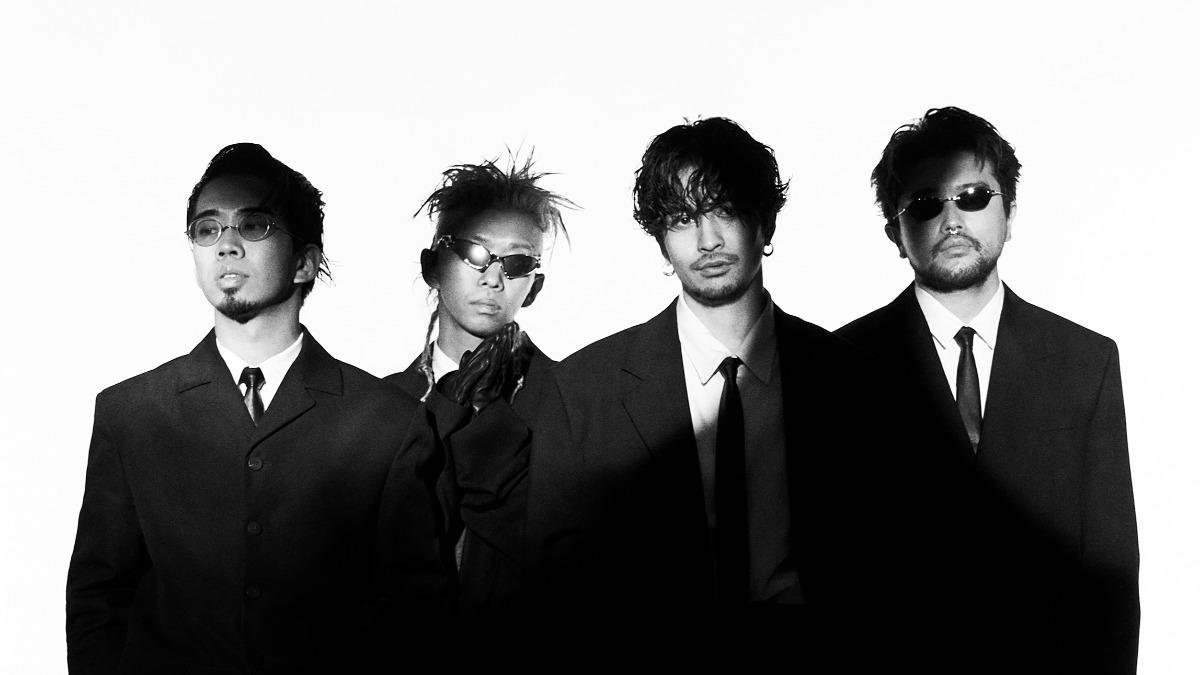
Last night in Taipei, roughly twenty-two thousand people experienced a collective out-of-body moment. It wasn't due to some mysterious religious ritual, but because of four guys from Japan—King Gnu—finally setting foot on this island again. I was standing slightly left of centre in the standing area, surrounded by young faces; some waving support towels, others clutching their entry tickets like sacred objects. When Daiki Tsuneta's slightly awkward "Duōxiè" (Thank you) exploded from the speakers, the entire venue instantly erupted. This night wasn't just a concert; it was the coronation ceremony of a new J-Rock generation.
Live Report: The Soul Resonance of 22,000 People
If you ask me where to start this King Gnu concert review, I'd say it begins with the first downbeat of the opening track, 'Hikoutei'. It wasn't just music; it was a pressure release valve. Daiki Tsuneta's guitar riff was like a scalpel, precisely cutting through the surface of twenty-two thousand hearts; while Satoru Iguchi's voice was like the ocean, sometimes gently enveloping, sometimes sending up massive waves. When they played 'Ichizu'—the Jujutsu Kaisen theme song that introduced many to them—the entire crowd wasn't just singing along anymore; it was a collective roar. The guy with glasses next to me kept his eyes closed the whole time, but his mouth didn't miss a single word, as if this concert was the most important ritual of his life.
But what really moved this old-timer was the moment Daiki Tsuneta tried to say "I love you" in Mandarin. That kind of clumsy sincerity broke down language barriers far more effectively than any perfect stage design. This isn't just entertainment; it's a bridge for human emotion crossing the sea. And this bridge is built from twenty-two thousand tickets, countless pieces of merchandise, and the狂热 of an entire generation of Taiwanese youth for J-Rock.
More Than Just Rock: King Gnu's Musical Alchemy
Why King Gnu? In an era where post-rock and City Pop are thriving, what makes fans willing to pay, queue up, and surrender themselves to the music on a weekday night? My answer: they understand the art of the "hybrid." In their arrangements, you can hear the precision of classical, the improvisation of jazz, the violence of rock, and even the rhythmic sensibilities of hip-hop. This omnivorous musical DNA perfectly echoes the identity of contemporary young people, who can't be defined by a single label. They aren't just listening to songs; they're searching for their own reflection in King Gnu's music.
And this reflection has grown large enough to shake up the commercial market. It's clear to any observer that this concert wasn't just about the music scene; it was a precisely executed commercial spectacle. From tickets selling out in seconds, merchandise queues stretching to the horizon, to the surge in revenue for nearby businesses, restaurants, and hotels—every link in this industrial chain was illuminated by the arrival of these four Japanese guys. This was more than just a show; it was a powerful transfusion for Taipei's tourism and entertainment economy.
Commercial Undercurrents: How One Concert Ignites an Entire Industry Chain
If you deconstruct this King Gnu concert as a business case study, you'll find its value far exceeds the box office revenue. First, the most direct income: twenty-two thousand people, with an average ticket price of $3,000 TWD, means the box office alone starts at $60 million TWD. But the real goldmine lies in the merchandise—collaboration T-shirts, towels, tour programmes—items with that "venue-exclusive" magic that make fans whip out their credit cards without hesitation. A rough estimate suggests merchandise sales outside the venue last night likely added another $20 million TWD, conservatively.
But that's just the beginning. The deeper impact lies in "city marketing." How many of these twenty-two thousand people travelled from central or southern Taiwan, or even from overseas? They booked hotels, ate late-night snacks, took taxis—these invisible expenditures are the truly alluring undercurrent of the concert economy. For brands, this serves as a living textbook on how to use a King Gnu concert: how to leverage a top-tier IP to build emotional connections with young consumers? Not by crudely slapping on a logo, but by sponsoring experiences and creating memories. I heard a beverage brand set up an interactive booth outside, inviting fans to record their confessions to King Gnu for a chance to win limited merchandise. This kind of soft penetration is ten times more effective than a TV commercial.
The Ultimate Guide for Fans: How to Properly "Use" a King Gnu Concert
If you missed last night, or are planning to grab tickets next time they come, here's an King Gnu concert guide from a seasoned fan to help you truly "use" the experience next time:
- Ticketing Strategy: Their tickets sell out in seconds now. Besides being glued to your computer on time, consider joining the official fan club, which often has advance presales. Also, keep an eye on the organizer for any subsequent ticket releases; that's the last chance for slow-clickers.
- Pre-concert Prep: Their setlist usually covers their latest albums and classic tracks. I recommend getting intimately familiar with the albums Ceremony and Sympa, especially high-energy live tracks like 'Teenager Forever' and 'Slumberland'.
- What to Bring: Travel light! The standing area is a battlefield; wear comfortable shoes and don't bring too much stuff. You absolutely must buy the official penlight—when the sea of lights ignites across the venue, you'll understand what belonging feels like.
- After the Show: Don't rush off. Stick around, high-five and hug the strangers next to you, exchange the emotions you just felt. You'll realize that the concert's afterglow truly begins to ferment in the post-show buzz.
Last night, when the piano intro for the final song, 'Hakujitsu', began, the guy with glasses next to me finally opened his eyes, which were rimmed with red. In that moment, I understood: what King Gnu gives us isn't just two hours of audio-visual stimulation, but a dream we can take home. This dream allowed twenty-two thousand solitary souls to find each other in Taipei on March 4th, 2026.