John Wooden's Pyramid of Success: Why the Wizard of Westwood Still Coaches Today's Game
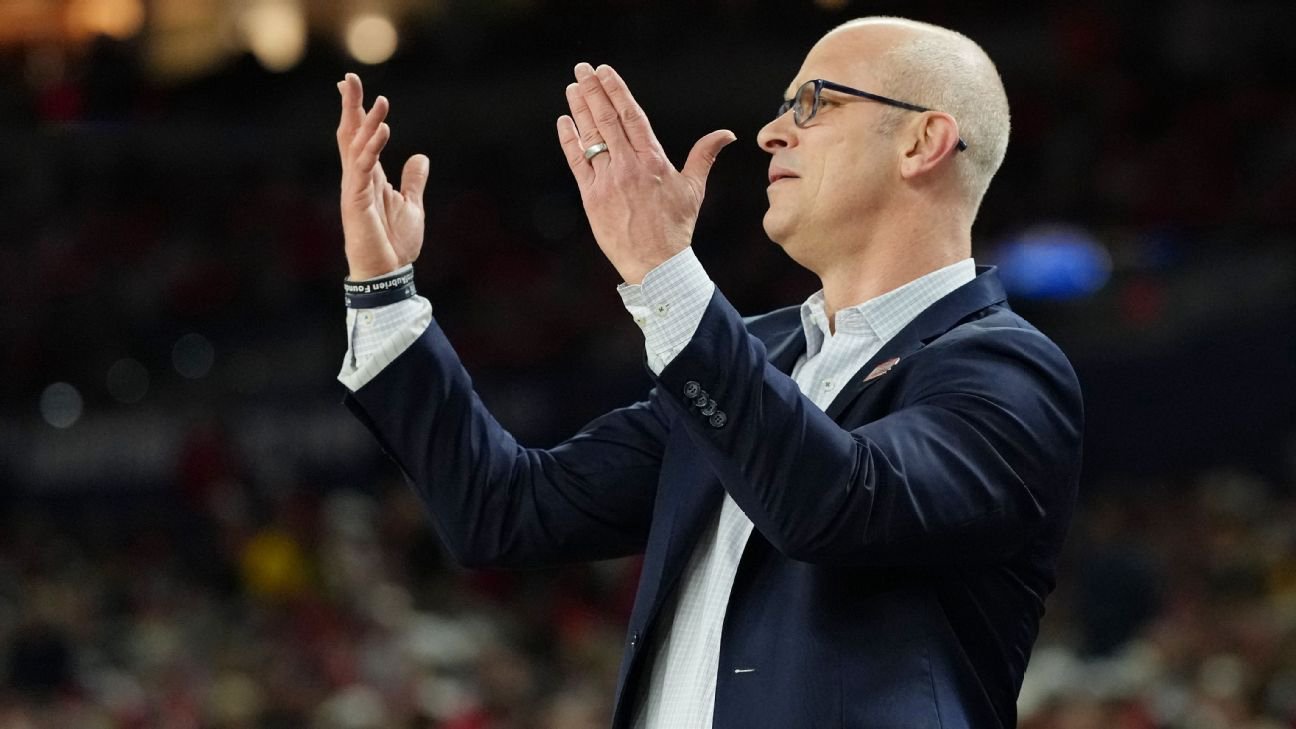
You see the steam coming off a coach in the chaos of March Madness. The sideline screaming, the ref-baiting, the veins popping in their necks. Then you watch a guy like Dan Hurley catch a wave of boos at the Final Four while cutting down nets, and you realize something: winning is lonely. But here’s the kicker—every single one of those modern floor-pounders, from Hurley to the next hot-shot, is still chasing a ghost. A quiet, philosophical, rolled-up-program-in-his-hand ghost named John Wooden.
Let me take you to Westwood. Not the glitzy, billionaire-boosted version. I’m talking about the old blue-and-gold heartbeat of Pauley Pavilion. If you’ve never walked those concourses before a big game, you’ve missed the closest thing college hoops has to a cathedral. And right there, engraved in the lore, is the Pyramid of Success: Championship Philosophies and Techniques on Winning. Wooden didn’t just scribble that on a napkin. He built a career—10 national titles in 12 years, still the most absurd run in sports history—on those 15 building blocks. Industriousness. Enthusiasm. Condition. Skill. Team spirit. And the capstone? Competitive greatness. You don’t just read that list; you feel it when you step into the John Wooden Center today.
Here’s what young fans miss. Wooden’s teams didn’t have a 24/7 hot-take machine or NIL agents whispering in their ears. What they had was a teacher who taught them how to put on their socks and tie their shoes correctly—no joke, he believed small details prevented blisters, and blisters cost games. That man was obsessed with the preparation, not the trophy. And that’s why his system survives. You can see it in how the best programs still operate:
- Poise – The ability to be yourself under pressure. Watch a veteran point guard in a one-possession game. That’s Wooden.
- Confidence – Without arrogance. There’s a fine line, and he drew it every practice.
- Condition – Not just wind sprints. Mental stamina to run your offense when your legs are gone.
I was talking to an old Bruin assistant last season, and he laughed about how Wooden would end practice by saying, “I’m done. You may be through.” Then he’d walk off, leaving the players to run the final drill themselves. That’s the ultimate trust. He built teams that didn’t need a screaming general because every man knew his role. Fast forward to today. You’ve got coaches getting booed after winning—yeah, Hurley heard it in Phoenix, and it wasn’t just Illinois fans. That’s the pressure cooker Wooden never had to deal with? Wrong. He dealt with it by simply not caring about the noise. His attention was on the next pass, the next defensive slide, the next moment of competitive greatness.
If you ever make it to the UCLA campus, do yourself a favour. Go to the John Wooden Center. It’s not a museum. It’s a working student rec centre, but the man’s spirit is in the bricks. And then walk over to Pauley Pavilion on a game night. Look up at the championship banners. They’re not just old cotton. They’re proof that a guy with a clipboard, a moral code, and a pyramid of abstract nouns could dominate an era so completely that his echoes still drown out the modern screamers. That’s the Wizard of Westwood. And no amount of NIL money or transfer-portal drama will ever build a better system.
So next time you see a coach lose his mind over a bad call, remember Wooden. He never talked about winning. He talked about the journey, the effort, the Pyramid of Success. And somehow, he won more than anyone. Funny how that works.