Why India Is on Two Very Different Global Maps Right Now: From Tech Rivalries to Diplomatic Dust-Ups
If you've been scrolling through the news lately, you might have noticed something intriguing: India is on everyone's map. Not just in the metaphorical sense of "rising on the global stage," but quite literally. Over the past few weeks, the country has been featured in two very different kinds of cartographic conversations—one involving high-tech boardrooms and geopolitical strategy, and the other involving diplomatic protests and contested borders. Let's take a closer look at what's really happening with the India map right now.
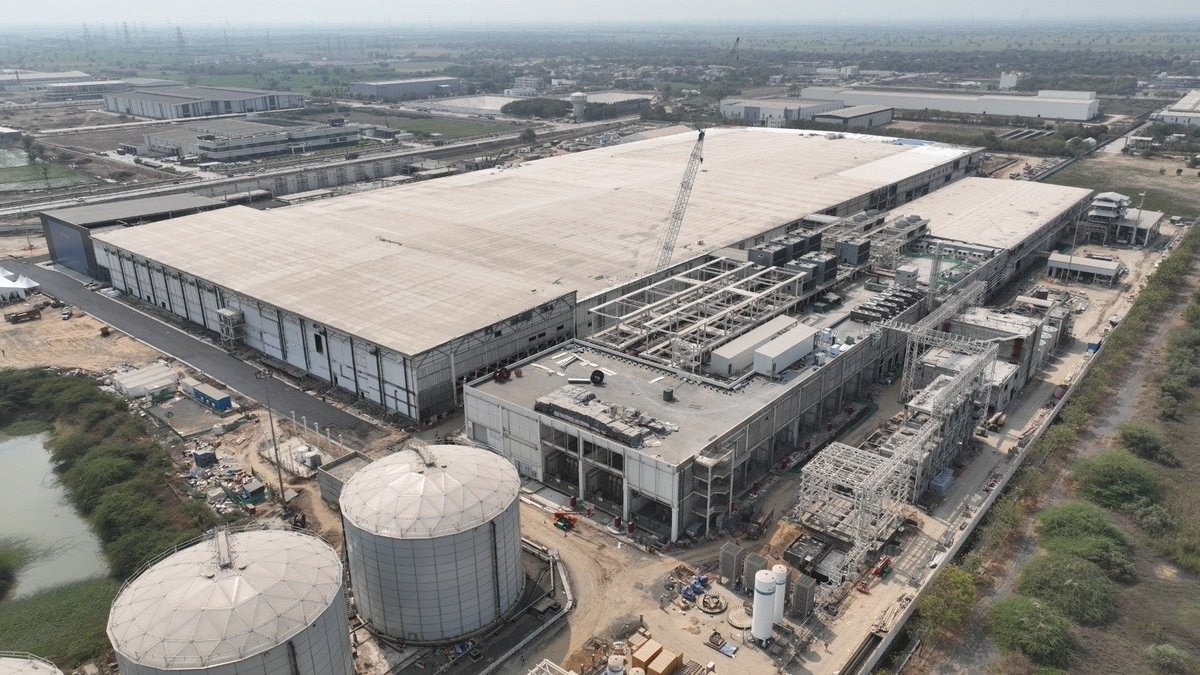
The Sanand Breakthrough: India Lands on the Global Chip Map
First, let's talk about the kind of map that doesn't involve ink and paper but is far more valuable. A few days ago, Prime Minister Modi inaugurated Micron's massive semiconductor assembly and test plant in Sanand, Gujarat. If you've been keeping an eye on the Maps of India that track industrial growth, you'll know Sanand has been a hotspot since the Tata Nano days. But this is different. This $2.7 billion facility—officially known as an ATMP (Assembly, Testing, Marking, and Packaging) plant—is where plain silicon wafers are transformed into the brains inside your smartphones, data centres, and cars.
Union Minister Ashwini Vaishnaw put it plainly: India is now on the global semiconductor map. For decades, when you looked at a history of the world map by map of the chip industry, the action was always in Taiwan, Korea, or Malaysia. Now, there's a bright, blinking dot in Gujarat. The plant, which boasts a cleanroom of nearly 500,000 square feet, will eventually handle about 10% of Micron's global output once it's fully operational. It's a credibility signal to the world that we can handle precision manufacturing.
What's even more exciting is that Micron isn't alone. The buzz around Sanand—what some are calling "Sanand 2.0"—is real. Companies like CG Semi and Kaynes Technology are setting up their own OSAT (Outsourced Semiconductor Assembly and Test) facilities right there. This isn't just about one factory; it's about creating a hub. The government's ambition isn't just a Gujarat story. The new semiconductor map of India is dotted with projects across the country:
- Gujarat: The Micron ATMP plant in Sanand, alongside OSAT facilities by CG Semi and Kaynes.
- Assam: A proposed semiconductor unit in Jagiroad.
- Odisha: Plans for a chip packaging plant.
- Tamil Nadu: A hub for chip design and potential fabs.
- Karnataka: Home to global R&D centres and the Indian Semiconductor Mission's design-linked incentive scheme.
If you were to take an Indian geography quiz right now and mark the semiconductor hotspots, you'd have to pinpoint not just Sanand, but also Dholera, and projects spreading across at least six states. The government's new India Semiconductor Mission 2.0 is throwing its weight behind this, with targets to support one silicon fab and nine packaging units by next year. We're not just assembling chips anymore; we're aiming to design them, with projects like the indigenous DHRUV64 microprocessor showcasing home-grown tech.
The Other Map: A Diplomatic Storm Over Outlines
But while we're busy etching our name on the industrial map, another version of the India map has been causing a political storm across the border. You might have caught wind of this: the U.S. Trade Representative's (USTR) office posted a map alongside a trade announcement that showed the entire regions of Jammu & Kashmir and Aksai Chin within Indian boundaries.
Now, if you're a regular at taking the Indian geography quiz, you know these areas are disputed. Pakistan immediately lodged a strong protest, arguing that the map contradicted the long-standing UN position on Kashmir. Within days, the map was pulled down from the USTR's X account. The irony? Officials suggest the map was probably just a generic one taken from Google Maps, similar to what they used for a Bangladesh trade release. But in diplomacy, outlines matter. A map from an official U.S. government body carries weight, and when Indian media started celebrating it as a shift in U.S. policy, Pakistan had to act. The map is gone, but the incident is a sharp reminder that when we talk about Maps of India, we're never just talking about geography.
Kerala: The Map You'll Actually Want to Travel
Away from the chip plants and diplomatic wires, there's a third map of India that's getting a beautiful update. Down south, Kerala has just mapped out 33 curated "Spice Journey" trails, stretching from Kasaragod all the way to Kollam. If you've ever wanted to understand India through its flavours, this is your guide.
These aren't your usual tourist buses. We're talking about curated walks through ancient ports, spice markets, and colonial streets in Fort Kochi, linking back to the old Spice Routes that connected Kerala (map) to the world centuries ago. For anyone who loves cultural and musical deep dives, think of this as the culinary and cultural soundtrack of the coast—from Theyyam rituals in Kannur to Mappila cuisine in Thalassery. Whether you're planning a trip or just daydreaming, the new tourist map of Kerala is something else.
So, whether you're looking at it through the lens of business, geopolitics, or travel, one thing is clear: India isn't just a place on the map. It's a place that's actively redrawing the map itself.