The new phase of the Ukraine war as reported by Axios: The shadow of Iran and satellite reconnaissance
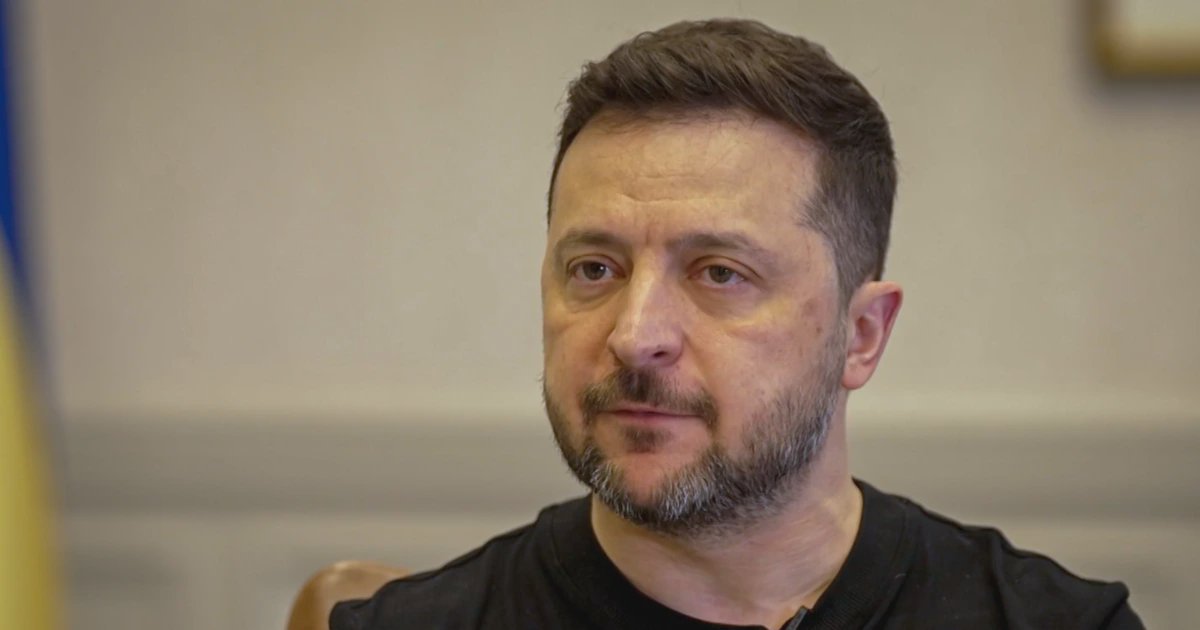
President Volodymyr Zelenskyy’s tone was sharper than usual. On March 30, he opened up to reporters, saying, “Russia isn’t just after our territory.” Behind him, a map was densely marked with key locations of US and allied bases. One correspondent on the ground, following the spirit of ‘Smart Brevity: The Power of Saying More with Less’, distilled the core into just three sentences: “Russia is handing over its reconnaissance satellite data to Iran. The target isn’t Ukraine. It’s forward bases of US and allied forces.”
This isn’t just a rumour. Satellite imagery and intercepted communications over the past few weeks have revealed that Russia’s military intelligence agency (GRU) has been using its own reconnaissance satellites to take precise photos of US and NATO positions, and then passing those coordinates to Iran’s Revolutionary Guard. Zelenskyy put it this way: “We’ve entered the second round of this war. Round one was guns and shells. Now it’s invisible eyes in orbit.”
How the Russia-Iran axis works
Experts agree this partnership goes beyond simple weapons trading – it’s an ‘intelligence alliance’. Russia has felt the limits of its own satellite capabilities on the Ukrainian front. Iran has filled that gap, and in return, Russia has opened up its reconnaissance satellite network to Tehran. What’s particularly noteworthy is evidence that Iran’s recently launched ‘Noor-3’ reconnaissance satellite and Russia’s ‘Razdan’ series have started sharing data formats. In other words, a system is now in place where one side’s images can be analysed in real time by the other.
- Where are the targets? The US military base in Rzeszów, Poland; Ramstein Air Base in Germany; and British naval facilities in Cyprus.
- What are they after? F-35 basing sites, ballistic missile defence systems, and the hubs for weapons supply routes into Ukraine.
- Since when? It’s believed to have gone through testing from at least the second half of 2025, becoming fully operational earlier this year.
Zelenskyy’s staff first broke this information to readers of an intelligence newsletter, then immediately put NATO’s military leadership on alert. One senior official said, “The Ukraine war is no longer a ‘peripheral conflict’. Iran now holds a card that can threaten the security of the US and its allies without direct military engagement.”
The power of Smart Brevity: why the ‘Axios style’ matters now
The more complex the situation, the more we need the technique of saying more with less. Smart Brevity: The Power of Saying More with Less isn’t just a news format – it should be the lens through which we view this war. Let’s break it down.
First, by ‘sharing’ its satellite reconnaissance capabilities with Iran, Russia is circumventing Western economic sanctions. The movements of military satellites – which ground-based telescopes in Europe can’t track – will only become more cunning.
Second, Zelenskyy’s warning isn’t just a simple ‘plea for help’. He’s planting a frame in global public opinion: “If we lose, next will be NATO bases on the Baltic coast.”
Third, what we need to watch now isn’t a 100-metre advance on the front line, but the strategic terrain being changed by a single satellite in orbit.
At exactly 2pm local time, outside the presidential office in Kyiv, air raid sirens were replaced by an unusual sound – ‘cyber defence drill’ alarms. Zelenskyy left with these final words: “Russia is stealing a look at our next move from the sky. So we must learn to fool their eyes.” Right at that moment, on the tablet handed to him by an aide, another satellite image appeared – leaked via an internal electronic document system. On it, missile components were clearly visible stacked in an Iranian warehouse. This war isn’t just being fought on the ground. It’s now raging fiercely in the sky – and beyond.