TikTok refuses end-to-end encryption for private messages: Child protection vs user privacy in Australia?
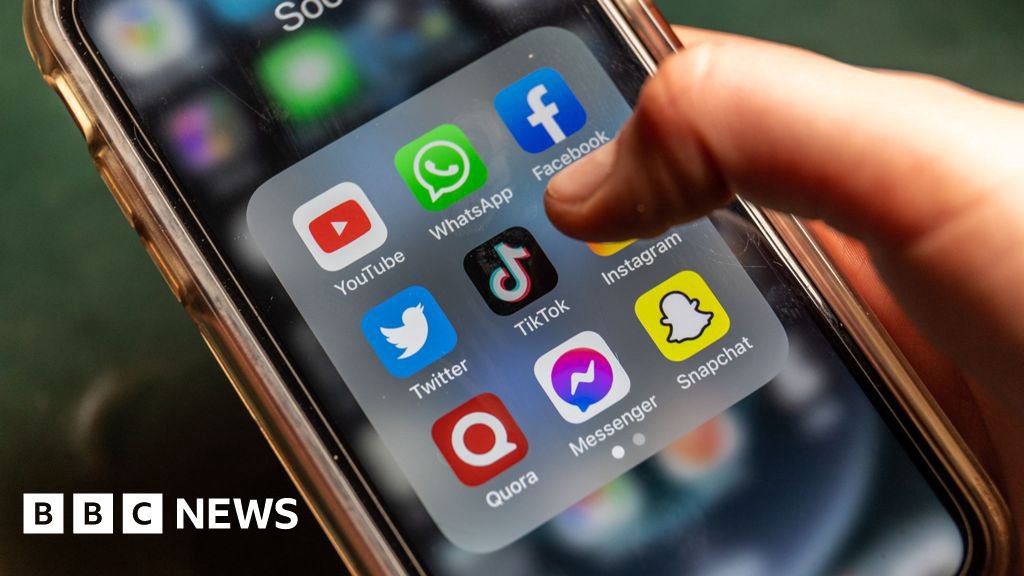
In the whirl of tech news this week, a surprise move from the short-video giant TikTok has put privacy firmly in the ring against child safety. As global social platforms increasingly move towards fully encrypting conversations, the popular app has chosen to buck the trend, announcing it will not introduce end-to-end encryption for private messages. The decision has sparked a massive debate among users and experts across Australia and beyond.
Why is TikTok breaking ranks?
The interesting thing is, this isn't a technical limitation. It's a deliberate choice centred on child safety. Putting aside external speculation, information from inside the company suggests management is convinced that full encryption would blind its human and technical moderation teams, making it impossible to monitor predators or prevent the spread of child sexual abuse material. Simply put, they'd rather keep the ability to access private messages to ensure a safe environment for kids, even if that means sacrificing absolute privacy for millions of adult users.
This ethical dilemma isn't new, but it's flared up recently with competitors like Facebook Messenger moving to enable full encryption by the end of the year. TikTok, which has spread like wildfire among teens and even pre-teens in Australia, seems to be betting heavily on the protective side, putting a "kids' safety first" mantra above all else.
How will the decision affect Aussie users?
In a country like Australia, where millions use the app daily not just for fun, but for shopping and business, the decision has real-world implications. For users of TikTok Lite, the stripped-back version popular in some areas, private messages remain subject to scrutiny. This might reassure parents worried about their kids seeing inappropriate content, but it raises concerns for young people and business owners who prefer their conversations to stay private.
On the commercial front, thousands of Aussie traders and brands rely on the TikTok Shop Seller Center to run their stores and chat with customers. While the decision isn't directly aimed at commercial transactions, some sellers have voiced concerns that messages about orders and sensitive data might be less secure than they assumed. Could a moderation team potentially view a business conversation containing payment details? It's a valid question.
External alternatives: SnapTik – solution or problem?
Amid this debate, some users are turning to external tools to save their favourite content or work around the platform's policies. Apps like SnapTik - TikTok Video Download, which let you download videos without a watermark, are seeing a surge in popularity. But experts warn that using these tools could be riskier than the original issue. Some request extensive permissions or store data on their own servers, exposing users to further privacy risks. They advise extreme caution and sticking to trusted sources when you need to download content.
The future of privacy on TikTok
TikTok's current stance might not be set in stone. With mounting pressure from privacy regulators in Europe and the US, and growing awareness of digital rights among Australian users, the platform might need to find a middle ground. New AI technologies that can detect violations without needing full decryption could be the magic solution, preserving privacy while protecting kids. But until then, Aussie users face a choice: accept that messages can be accessed in exchange for a safer environment for kids, or look for alternative platforms that offer greater privacy.
TikTok, it seems, has picked its side in the privacy battle. But the fight is far from over.
- TikTok refuses full encryption for private messages to protect children.
- TikTok Lite applies the same policy to its lightweight version.
- SnapTik - TikTok Video Download is a popular external tool, but carries risks.
- TikTok Shop Seller Center needs clarity on how it handles merchant data.