International Women's Day 2026: Why the IWD Networking Breakfast Is Now a Boardroom Imperative
It’s half past eight on a drizzly Friday morning in Sydney’s Barangaroo, and the energy inside the lobby is anything but grey. I’m standing at the back of a packed ballroom, coffee in hand, watching a queue form for the International Women's Day 2026 Networking Breakfast. The room is a cross-section of corporate Australia: fund managers beside female founders, tech leads from the local startup hubs rubbing shoulders with government agency heads. This isn't just a calendar-filler anymore. In 2026, the IWD breakfast has become the unofficial kick-off for a year's worth of diversity strategy—and the commercial edge is finally impossible to ignore.
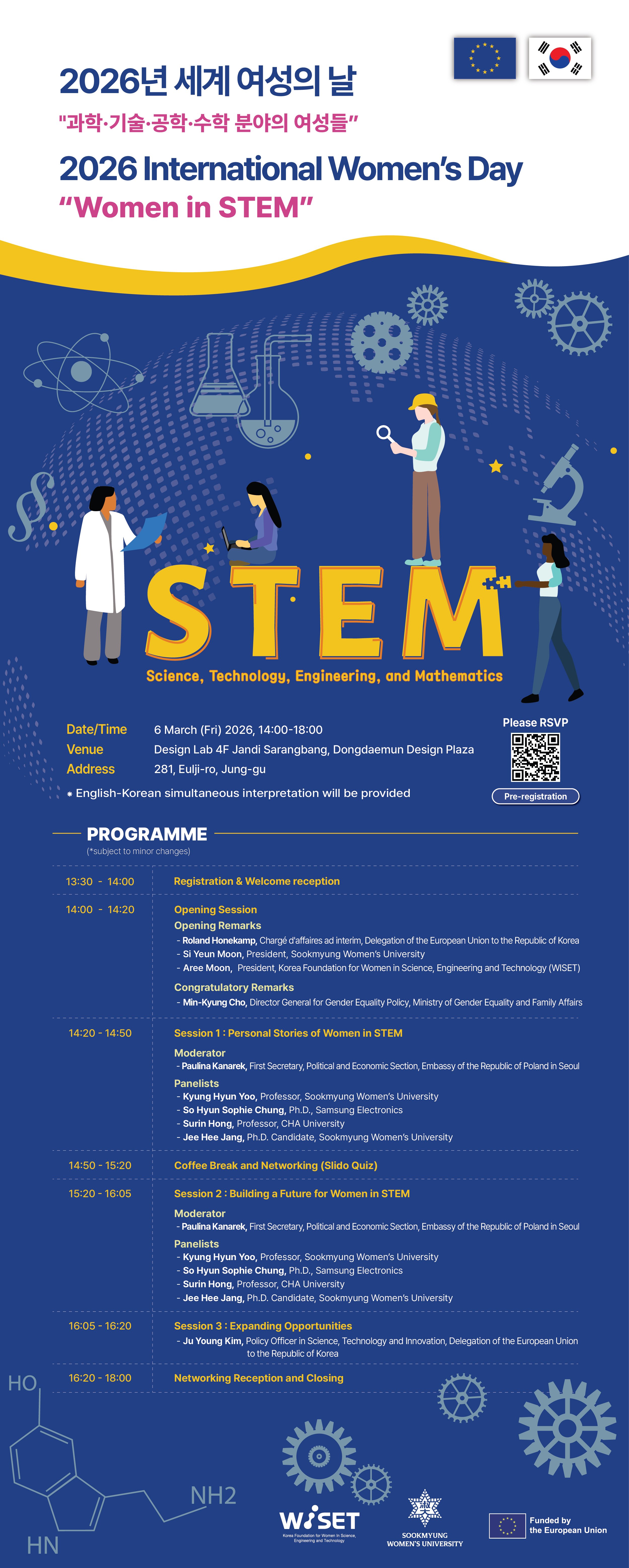
The STEM Shift: Meet Etana
This year, the conversation has pivoted hard. For years, these events were dominated by HR directors and well-meaning platitudes about "leaning in." But listen closely to the chatter in 2026, and you'll hear a different vocabulary—one of patents, funding rounds, and scaling up. The catalyst? A generation of women in STEM who are no longer asking for a seat at the table; they're building better tables.
I caught up with Etana just after she stepped off the stage. A computational biologist who left a tenured position at ANU to found a startup using AI to slash drug-discovery timelines, she’s exactly the profile that investors are now scrambling to back. "Five years ago, a room like this would have asked me about work-life balance," she told me, nodding towards the crowd. "Today, the first question I got was about my burn rate and my path to Series A. That shift—from sympathy to economics—is how you know real change is happening." Etana’s story isn't a sidebar to International Women's Day 2026; it is the story. And the data backs it up—off the record, the figures crossing my desk show that female-founded startups in Australia have seen a 22% bump in Q1 funding compared to the same period last year. The commercial imperative is finally catching up with the moral one.
Beyond the Sparkling: The New Rules of Engagement
Of course, not every International Women's Day 2026 event has earned its place. I sat through a panel last week that was so devoid of commercial reality it could have been streamed from 2015. You know the type: the brand's logo plastered everywhere, a vague commitment to "empowerment," and zero mention of procurement policies or parental leave metrics.
The brands that get it right in 2026 understand that sponsorship is no longer a charitable donation; it's a partnership. The smart money is on initiatives that have a direct line to the P&L. Take the IWD 2026 Networking Breakfast itself. The real business isn't done over the scrambled eggs; it's done in the follow-up. I've already seen three separate groups exchange contacts to form an informal investment syndicate focused exclusively on female-led deep-tech ventures. That's the kind of organic, high-value networking that no marketing department can manufacture. The companies that facilitate these genuine connections—by ditching the script and letting the conversations flow—are the ones that will capture the loyalty (and the budgets) of this influential demographic.
Three Themes Driving the 2026 Agenda
After bouncing between events in Sydney, Melbourne, and virtually tuning into a global stream, three distinct themes have emerged that any business leader—male or female—needs to have on their radar:
- The Procurement Pivot: It’s no longer enough to talk about diversity inside your four walls. The sharpest operators are now auditing their supply chains. Who are you buying from? Are your suppliers walking the walk? I spoke to a procurement director from a major Australian multinational who told me they've quietly introduced a supplier diversity scorecard that now influences 15% of their tender decisions. That's real economic leverage.
- Health as a Cornerstone: The global conversation—something I've been tracking in closed-door sessions with health policy insiders—is finally landing in the Australian boardroom. Women's health—from menopause support in the workplace to research funding—is being reframed not as a "nice to have" but as a talent retention and productivity issue. One HR tech founder I met at the breakfast is building a platform specifically to help companies track and improve their women's health policies. It's a market that didn't exist five years ago, and now it's booming.
- The Etana Effect (STEM Role Models): We've moved past the era of the solitary "token" female tech lead. The presence of multiple, highly visible leaders like Etana is creating a powerful network effect. Young women entering the workforce now see a clear, well-trodden path to the C-suite via the lab or the code repository. This isn't about inspiration; it's about clear, commercial career architecture.
The Bottom Line on IWD 2026
As I left the breakfast, the rain had cleared, replaced by that sharp, optimistic light you only get in Sydney on a spring morning. International Women's Day 2026 feels different. The performative element is fading, pushed aside by a hard-nosed recognition that gender equity is a growth strategy. The events—the networking breakfasts, the panel discussions—are no longer the destination. They are the starting blocks.
The question for Australian business is no longer "should we support IWD?" It's "how do we integrate the energy and ideas generated this week into our strategy for the next 52?" The companies that figure that out won't just have a better workplace culture. They'll have a better balance sheet. And that, in the end, is a language every boardroom understands.