Brent Under Pressure: How the Iranian Crisis is Sending Oil and the French Economy Soaring
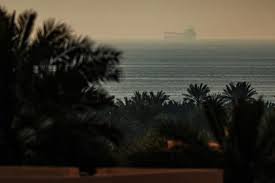
This Monday, March 2nd, the oil market woke with a jolt. At the opening of Asian trade, a barrel of Brent crude surged past the symbolic mark of US$95, climbing nearly 6% in just a few hours. The reason? A weekend of explosive tensions in the Middle East. Between devastating strikes in Iran and a warning from the Revolutionary Guards regarding the Strait of Hormuz, the pulse of the global energy market is racing. And France, a major importer of hydrocarbons, is holding its breath.
Geopolitics Calls the Shots: The Strait of Hormuz on High Alert
Everything changed this weekend. After weeks of simmering rumours of a military escalation, bombings hit key installations in Iran, reviving the spectre of a major oil crisis. True to form, the Revolutionary Guards immediately responded through their commanders: passage through the Strait of Hormuz—this critical chokepoint through which 20% of the world's oil production transits—is no longer authorised without their green light. For traders, it's the red signal. Every time the Strait of Hormuz faucet squeaks, Brent prices flare up. And this time, the squeak is loud.
This isn't just a minor hiccup. Analysts estimate that if the Strait were actually blocked, even partially, prices could exceed US$120 within days. Iran, a major OPEC player, sees its exports threatened, and the entire fragile supply-demand balance wobbles. The US response, already hinted at in diplomatic circles, could either add fuel to the fire—or attempt to extinguish the blaze. But for now, panic is the dominant force.
France Faces the Fallout: Inflation and Cost of Living in the Crosshairs
For France, this jump in Brent prices comes at the worst possible time. Just as inflation was beginning to show signs of easing, rising fuel costs will mechanically increase the cost of living. Filling up the tank, which had timidly dropped in price, is likely to shoot back past the €2 per litre mark. Transporters, farmers, and ultimately all consumers will feel the pinch. The government, already grappling with a massive deficit, sees its budgetary wiggle room shrinking rapidly.
But the shockwave doesn't stop there. Energy-intensive industries, from steelmaking to chemicals, will see their bills skyrocket. Wage negotiations, already tense, are set to become explosive. And if the "gilets jaunes" (yellow vest) movement taught us anything, it's that soaring fuel prices have devastating social and political consequences. France, while reliant on nuclear power for electricity, remains paradoxically very vulnerable to oil shocks, as its transport and petrochemical sectors are still deeply dependent on it.
Brent, Sport, Culture: The Secondary Ripples of a Global Crisis
This oil shock has unexpected repercussions, reaching far beyond the usual circles of traders. Take football, for instance. Brentford Football Club, the London club with its innovative economic model, symbolises a new generation of teams betting on data and alternative investments. Their owners, often American funds, are starting to eye anxiously the correlation between the Brent price and travel costs, or even the value of sponsorship deals with oil companies. Expensive energy drives up the cost of the spectacle and could curb the influx of capital.
In the music world, artists aren't immune either. R&B singer Brent Faiyaz, whose lyrics often depict a life of luxury and consumption, would likely see his royalties dip if his fans' spending power erodes. Ironically, in one of his recent interviews, he touched on the difficulty his generation faces in "making ends meet"—a distant but real echo of surging energy costs. Even the Californian celebrities of Brentwood, that upscale LA neighbourhood, are starting to worry: a rising Brent price means higher petrol costs for their SUVs and increased air-conditioning bills for their villas.
What Happens Now? Scenarios for Investors
Faced with this situation, several scenarios are emerging. The most likely in the short term is extreme volatility. Every statement from the Revolutionary Guards, every move by the US Navy in the Gulf, will make Brent prices shudder. For the savvy investor, this represents both a risk and an opportunity. Oil companies, like TotalEnergies, could benefit from an expensive barrel, but watch out for political reactions: a price that's too high inevitably attracts regulatory measures or windfall taxes.
In the longer term, this crisis reignites the debate on the energy transition. The more expensive and unstable Brent becomes, the more switching to renewable energy turns into an economic necessity, not just an environmental one. Investment funds, from London to Paris, are already reallocating their portfolios towards green infrastructure. Brent crude, the barometer of the old world, reminds us of our dependence with every crisis. And it inexorably pushes us to break free from it.
- Keep an eye on the Strait of Hormuz: Any news of an effective blockade will send Brent towards US$100.
- Diversify your investments: Energy is a defensive sector, but renewables offer more stable long-term growth.
- Anticipate the domino effect: Rising transport costs, imported inflation, and a potential slowdown in consumer spending.
One thing is certain: we haven't heard the last of Brent crude. And from Tehran to Paris, via London stadiums and LA studios, its echo sounds like a wake-up call. A reminder of a global economy too dependent on a resource that a few men, in a distant strait, can make unaffordable.